
Upgrading your home exterior requires materials that are both visually appealing and built to last. A well-designed path guides guests to your front door and instantly improves the overall curb appeal of your property.
If you need a reliable solution for your outdoor spaces, our team at Pro Stamped Concrete Frederick provides top-tier installation services. We specialize in transforming plain yards into beautiful landscapes using highly durable materials.
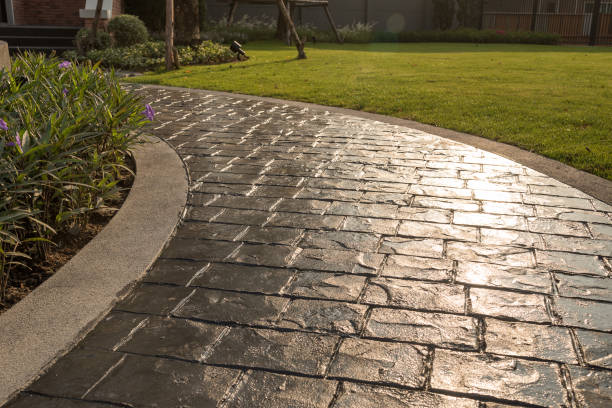
What Is a Stamped Concrete Walkway?
A stamped concrete walkway is a solid exterior path created by pouring customized cement and pressing specific textured mats into the surface before it fully cures. This technique allows the slab to mimic the appearance of more expensive building materials.
Homeowners often choose this method to replicate the look of natural flagstone, traditional brick, cobblestone, or even weathered wood. Installers mix color hardeners and release agents directly into the material to create realistic shadows and highlights. The final result is a custom-paved area that offers the visual beauty of premium stone but retains the structural strength of a continuous slab.
Benefits of Decorative Concrete Paths
Choosing a textured cement surface over standard paving materials provides excellent value for your property.
Long-Lasting Durability
Standard paving stones can shift, sink, or loosen over time. A solid poured slab remains firmly in place despite heavy foot traffic. It handles harsh weather conditions, heavy rains, and temperature changes without easily breaking apart.
Low Maintenance Requirements
Weeds constantly grow through the joints of traditional block pavers. Because poured cement is a single continuous surface, weed growth is entirely eliminated. Maintenance only requires basic sweeping and occasional rinsing with a garden hose.
Versatile Design Options
You are never limited to just one color or pattern. Installers can customize the exact shade, texture, and layout to match your existing exterior walls or landscape design. You can easily coordinate the new path with your driveway, patio, or pool deck.
Enhanced Safety and Slip Resistance
Traditional smooth cement becomes very slippery when wet. The deep grooves and textures pressed into patterned concrete create built-in traction. Installers also add anti-slip additives to the final protective sealer to make the surface safe for walking during rainy or snowy seasons.
Our Professional Installation Process for Textured Sidewalks
Creating a flawless outdoor surface requires careful planning and precise execution. Our contractors follow a strict process to guarantee an excellent final product.
1. Selecting the Ideal Location
The first step is mapping out the exact placement of your new path. We look for areas that provide proper drainage away from your home foundation. The chosen route must be free of large tree roots or underground utility lines.
2. Comprehensive Site Preparation
Proper site preparation is the absolute foundation of any long-lasting outdoor path. When our concrete walkway contractors begin your project, we first remove all existing grass, weeds, and old paving materials from the designated area. This step ensures that nothing organic remains to rot and cause sinking later on. Next, we excavate the soil to a specific depth, usually around four to six inches, depending on the soil condition and the expected foot traffic.
We carefully level the excavated trench and compact the raw earth using heavy machinery. This compacted subgrade prevents future shifting or settling of the ground underneath. Skipping or rushing this crucial preparation phase often leads to severe cracks and an uneven surface within just a few years. By taking the time to properly dig, level, and compact the soil, we guarantee that your new outdoor surface has the rigid, stable support it needs to survive harsh weather conditions and constant daily use without failing.
3. Building a Solid Base Layer
After the dirt is compacted, we add a thick layer of crushed gravel or specialized stone dust. This base layer acts as a shock absorber for the slab. It also promotes proper water drainage beneath the surface to prevent frost heaves during freezing weather.
4. Pouring the Specialized Mixture
We set up sturdy wooden forms to outline the exact shape of your path. We then pour a high-strength cement mixture specifically formulated for stamping. Our team carefully levels the wet material to ensure water will drain properly off the sides.
5. Applying Patterns and Textures
Timing is critical during this phase. While the material is still pliable, we apply your chosen base colors and secondary accent colors. We then press heavy polyurethane stamps into the wet surface to imprint the exact texture of brick, stone, or wood.
6. Final Finishing and Sealing
Once the slab cures for a few days, we return to clean off the excess release powders. The final step involves applying a high-quality protective sealer. This clear coating locks in the vibrant colors and protects the surface from UV rays, oil spills, and water damage.
Factors for Planning Your Patterned Footpath
Before breaking ground, you need to finalize a few important details to ensure the project meets your daily needs.
Ideal Width and Size
A standard path should be at least three to four feet wide. This width allows two average-sized people to comfortably walk side by side. If the path leads to a main entrance or receives heavy daily traffic, expanding the width to five feet provides a much better experience.
Straight Versus Curved Shapes
A straight path offers a formal, traditional look and is generally faster to build. A curved path provides a relaxed, organic feel that blends beautifully with garden beds. Keep in mind that curved forms require more labor and specialized framing techniques.
Design and Customization Options
Choosing the right design for your property is an exciting process that dramatically changes the look of your home exterior. Stamped materials offer incredible flexibility, allowing you to replicate the luxurious appearance of expensive natural materials like quarried stone, weathered wood planks, or classic brick. You can choose from dozens of distinct base colors that are mixed directly into the wet cement, ensuring the color runs all the way through the slab. After applying the base color, installers use secondary accent colors known as antique release agents.
These secondary colors settle into the deeper grooves of the textured pattern, creating realistic shadows and highlights that make the surface look like genuine natural stone. Furthermore, you can select seamless texture skins that give the appearance of a continuous slab of rough rock, or you can pick structured patterns like cobblestone and ashlar slate. Our design team works closely with you to match these colors and textures to your home exterior, ensuring a perfect visual match.
Budgeting and Project Costs
Textured cement requires a higher upfront investment compared to plain, brushed cement. The extra cost covers the specialized color additives, stamping tools, and the skilled labor required to complete the intricate finishing work. However, the long lifespan and high property value return make it a highly cost-effective choice over time.
Why Trust Pro Stamped Concrete Frederick?
Pro Stamped Concrete Frederick is the leading choice for exterior hardscaping in Frederick, MA. We are fully dedicated to delivering flawless craftsmanship and outstanding customer service on every single job.
Our experienced crews never cut corners during the critical base preparation or curing phases. We utilize industry-leading sealers, commercial-grade color hardeners, and the most realistic stamping tools available on the market. When you hire our team, you receive a beautiful, permanent outdoor feature built to your exact specifications.
How long does a patterned concrete path last?
When installed correctly and maintained properly, these paths easily last 25 to 30 years or more. The solid slab construction makes it incredibly resilient against daily wear and tear.
Will the colors fade over time?
The base colors are mixed directly into the material, meaning they will not chip away. The protective top sealer prevents the sun from fading the surface colors. You should reapply this clear sealer every two to three years to keep the colors looking brand new.
Does the surface crack easily?
All cement has the potential to crack due to ground movement. However, our contractors strategically place control joints in the slab. These hidden cuts encourage the material to crack neatly inside the joint rather than across the beautiful stamped pattern.
Can salt be used on it during the winter?
You should avoid using harsh de-icing salts on sealed cement surfaces. Salt can cause the protective sealer to peel and may damage the top layer of the stone. We recommend using plain sand for winter traction instead.
Ready to Transform Your Outdoor Space?
Your home deserves an entrance that is welcoming, safe, and beautifully designed. Our team is ready to help you plan, design, and build the perfect outdoor path to elevate your property.
Contact Pro Stamped Concrete Frederick today to schedule your consultation and receive a free, no-obligation project quote.